English
  한국어
한국어  français
  Deutsch
  Español
  italiano
  русский
  čeština
  Polska
  Svenska
  magyar
  Nederland
Building Sealing Tape Definition and Key Advantages
Building sealing tape helps keep your home or building airtight. It also protects your space from moisture. You use this tape to close gaps around windows, doors, and joints. Sealing these leaks stops up to 30% of heating and cooling energy from escaping, says the U.S. Department of Energy. Many builders pick building sealing tape because it sticks well and is easy to use. It also helps you stay comfortable by blocking drafts, moisture, and noise.
Key Takeaways
Building sealing tape keeps air and water from leaking. This helps buildings use less energy and feel more comfortable. The tape is simple to use. It sticks to many surfaces. It saves time compared to other ways to seal. Sealing tape keeps water out of buildings. It also stops mold, drafts, and dust. This helps building materials last longer. There are different tapes for different jobs. Picking the right tape is important. Putting it on the right way makes a strong seal that lasts. Tapes keep out air better than many caulks. They also last longer. Tapes work well even when it is cold or wet.
What is architectural sealant tape
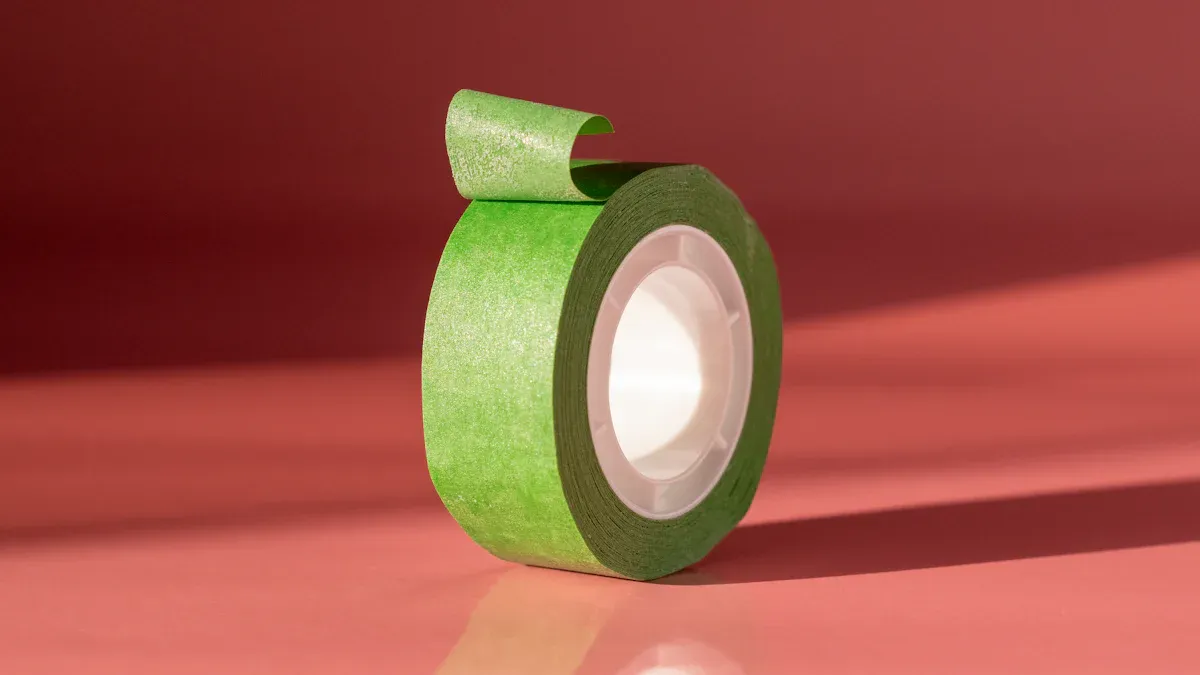
Image Source: pexels
Definition
Building sealing tape is a sticky tape made for buildings. You use it to close up spaces and seams. It comes in rolls or strips. This tape sticks to wood, metal, glass, and concrete. It makes a strong shield that stops air and water. You do not need nails or screws. This means you do not make holes in the building. Many tapes use materials like polypropylene or aluminum. These materials can handle weather, moisture, and sunlight. Some tapes work in cold or hot places. Building sealing tape lasts for years, even in tough weather.
Note: Building sealing tape helps keep your home or building cozy. It stops drafts and leaks. It also saves energy by keeping warm or cool air inside.
Main use
You can use building sealing tape in many places during building. Here are some common ways to use it:
Seal around windows and doors, like flashing tape for sills and headers
Patch or seal gutters with strong butyl tapes
Seal joints in HVAC systems using aluminum foil tape
Insulate plumbing and electrical connections with special tapes
Bond flooring materials to subfloors with double-sided tape
Tape seams of water-resistive barriers to keep water out
Protect window and door openings from water damage
Seal holes like dryer vents and bath vents
Connect foundations to walls and walls to roofs
Building sealing tape is also used in high-performance buildings. For example, some tapes stick glass panels in curtain walls. Some tapes attach outside panels on tall buildings. These tapes help make a tight seal against air and water. This helps save energy and makes buildings more comfortable. Always follow the instructions from the maker to get the best results.
Main Material | Key Features | Typical Use | |
|---|---|---|---|
Flashing Tape | Polypropylene, Butyl | Weather-resistant, flexible | Windows, doors, sills |
Aluminum Foil Tape | Aluminum | Heat-resistant, strong adhesion | HVAC, insulation |
Double-sided Flooring Tape | Acrylic, Rubber | Strong bond, easy to apply | Flooring, subfloors |
How it works
Materials
Building sealing tape uses many materials. Each material gives the tape special features. Duct tape has three layers. The first layer is a rubber adhesive. This layer helps the tape stick to many things. The second layer is a scrim. Scrim is a mesh made from polyester-cotton or fiberglass. This layer makes the tape strong and hard to tear. The third layer is a low-density polyethylene film. This layer keeps water out. It also makes the tape bendy and safe in sunlight.
Some sealing tapes use foam. You might see EVA foam, polyethylene foam, PVC foam, neoprene foam, nitrile foam, and EPDM foam. Each foam type has its own good points. EVA foam keeps water out and stops shaking. Polyethylene foam lasts long and blocks moisture. PVC foam bends easily and resists chemicals. Neoprene foam stands up to weather and heat or cold. Nitrile foam blocks water and air. These foams help the tape keep out air, water, and dust.
Material | Common Uses / Applications | Key Properties Provided |
|---|---|---|
EVA Foam | Industrial tape, automotive, electronics, packaging | Waterproof, heat insulation, UV resistance, vibration absorption, flexibility |
Polyethylene Foam | Sealing, mounting, window glazing | Durable, flame retardant, waterproof, moisture resistant, resilient |
PVC Foam | Insulation, building, HVAC, windows and doors | Chemical resistant, flame retardant, UV resistant, flexible, compressible |
Neoprene Foam | Environmental sealing, box/enclosure seals | Weathering resistance; flame retardant; flexible; durable; temperature resistant |
Nitrile Foam | Pipe protection, bonding metal/plastic | Waterproof, corrosion prevention, seals against air, dust, moisture |
Note: Most sealing tapes use man-made chemicals. Making these tapes can release VOCs and other waste. Many companies now use systems to clean the air and help the environment.
Application
You can use building sealing tape in easy steps. First, cut or tear the tape to a short piece. Next, peel off the liner from one corner. Press the tape onto the spot you want. Put the tape right over the seam. Make sure the tape is flat and smooth. On rough spots, press the tape to fit the shape. Do not leave extra tabs or wrap the tape too much. This saves tape and keeps the seal tight.
Use your hand or a squeegee to press the tape down. This step helps the tape stick well and stay strong. Always choose the right tape for your job. Use water-resistant tape outside. Use special tapes for HVAC or insulation. High-performance tapes work best for new builds or big fixes. You get the best results if you follow these steps.
High-performance tapes seal moisture barriers, ductwork, and window frames.
Double-sided tapes help overlap vapor barriers in crawl spaces.
Some tapes, like rainproof tapes, keep out wind and water on building exteriors.
Tip: Throw away used tape the right way. Most tapes do not break down in landfills. Try to find tapes you can recycle or that break down. This helps keep the earth clean.
The benefits of architectural sealant tape
Image Source: pexels
Energy efficiency
You can make your building much more energy efficient by using building sealing tape. When you seal gaps and cracks, you stop air from leaking in or out. This keeps your heating and cooling inside, so your system does not have to work as hard. Studies show that when you improve airtightness, you can cut heating energy use by more than half. Some buildings that use special panels and sealing tapes use up to 60% less energy and even reach net zero energy. You also lower your carbon emissions and save money on utility bills. Sealing tape helps you keep your indoor temperature steady, which means you feel more comfortable all year.
Tip: Sealing air leaks with tape is one of the most important steps you can take to boost energy efficiency and comfort in your home.
Moisture protection
Building sealing tape protects your home from water and moisture. You can use it to seal around windows, doors, and pipes. This stops rain and damp air from sneaking inside. When you keep water out, you prevent mold, mildew, and rot. Mold can cause health problems and damage your walls or floors. Sealing tape also blocks drafts and keeps out dust and pollen. Some tapes work better than others at stopping water. For example, liquid sealants can sometimes give a tighter seal, but tape is still a strong choice for many jobs. You should always use the right tape for the area you want to protect.
Stops leaks at windows, doors, and vents
Prevents mold and mildew growth
Blocks drafts, dust, and pollen
Durability
You want your building to last a long time, so you need materials that stand up to weather and wear. Building sealing tape can last for many years if you install it right. Some tapes, like butyl tape, resist water, sun, and cold. They can stay strong for up to 25 years and come with long warranties. The tape stays flexible, so it does not crack when the building moves or the weather changes. Good sealing tape keeps its grip even in heavy rain, strong sun, or freezing winters. If you use high-quality tape and follow the instructions, you help your building stay safe and dry for a long time.
Tape Type | Lifespan (years) | Weather Resistance | Flexibility |
|---|---|---|---|
Butyl Tape | Up to 25 | Excellent | High |
Polyurethane | 10-20 | Very Good | High |
Silicone | Excellent | High |
Note: The life of your tape depends on the material, how you install it, and the weather in your area.
Easy to install
You do not need special tools or skills to use building sealing tape. You just cut, peel, and press it into place. Pressure-sensitive tapes stick right away, so you do not have to wait for them to dry. This saves you time compared to liquid sealants, which need hours to cure. Some builders finish their work up to 30% faster by using tape with pre-applied seams. You can use tape in tight spaces or on rough surfaces. If you follow the instructions and make sure the surface is clean and dry, you get a strong, lasting seal. This makes sealing tape a smart choice for both new buildings and repairs.
Quick to apply—no waiting for drying or curing
Works on many surfaces and shapes
Easy for anyone to use, even without experience
Remember: Always press the tape down firmly and check for wrinkles or gaps to get the best seal.
Comparison with other methods
填缝剂 and sealants
You might wonder how tapes compare to caulks and sealants. Each method has strengths and weaknesses. Caulks work well for sealing small gaps, especially those less than 1/4 inch wide. Some caulks, like acoustical caulk, stay soft and flexible. This helps keep air out over time. Sprayable caulks can fill cavities and improve air tightness, but they do not add insulation.
Butyl tapes stick to many surfaces and block water. You do not need to wait for them to dry or cure. They work well in cold weather and do not ooze like some caulks. You can use tapes for quick, strong seals on flat or uneven surfaces. Caulks and sealants fill deep cracks and irregular gaps. They are easy to shape but may not last as long or resist water as well as tapes.
Sprayable caulk improve air tightness but do not insulate.
Tapes do not need curing and work on many surfaces.
Proper installation, like pressing tapes firmly, improves sealing.
Product Type | Product Name | Notes on Application and Labor Effort | |
|---|---|---|---|
Specialty Caulk | Prosoco Joint and Seam Filler | > $23 per 20 oz tube | More expensive, can be applied on wet surfaces, used in commercial settings, high performance but costly. |
Conventional Caulk | OSI Quad | ~$12 per 20 oz tube | Cheaper, flexible exterior grade, effective for air sealing, but requires backer rod and careful application. |
Polyurethane Caulk | Tremco Dymonic 100 | $8-$9 per 20 oz sausage | Sticky, flexible after curing, good price point, requires temperature above 60°F for ease of use. |
Tescon Vana tape | ~$38 per 30-meter roll | More expensive per unit length, easier and faster to apply over large linear feet, reduces risk of sloppy application. |
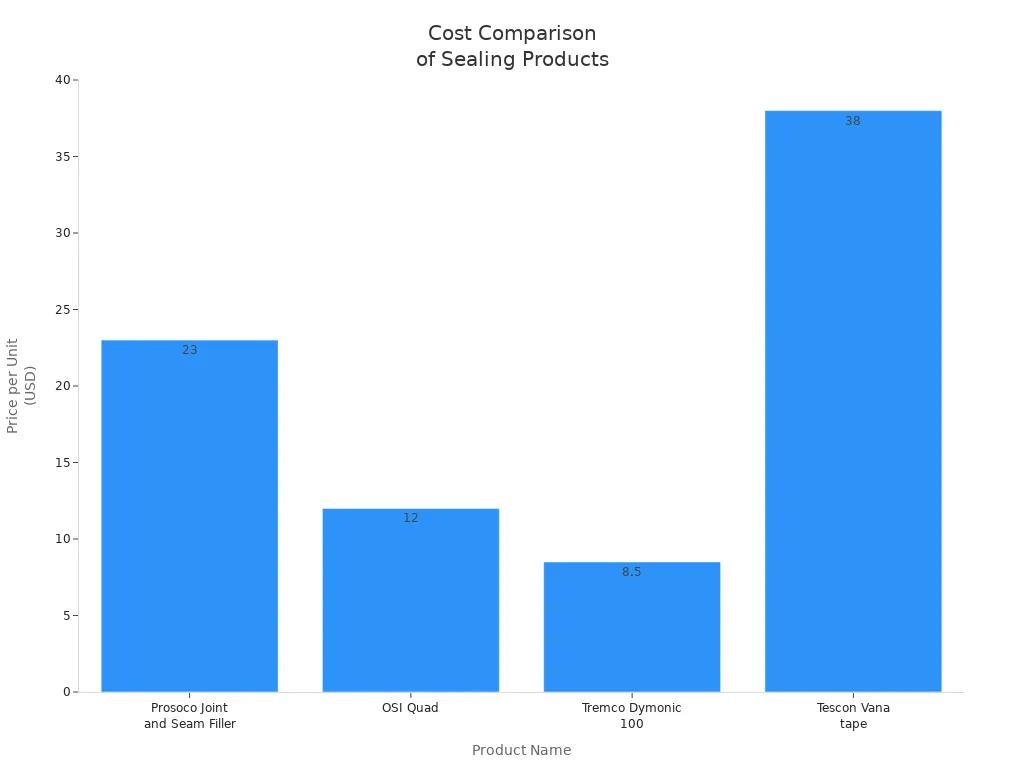
Tip: Tapes cost more per roll, but you save time and reduce mistakes. Caulks need careful work and may require reapplication every few years.
独特优势
You get several unique benefits when you choose tapes over caulks or sealants. Tapes provide some of the lowest air leakage rates. You can achieve airtightness as low as 0.00–0.13 m³/h·m at 50 Pa, which is better than most foam strips or mineral wool. Tapes keep their seal even after years of heat, moisture, and sunlight. You need to install them correctly, though. Open corners or rough surfaces can let air and water sneak in.
Tapes also work well in cold weather and on many surfaces. You do not need special tools. You just press the tape down. Caulks need time to dry and may crack or shrink. Tapes stay flexible and strong. You can use them for long-lasting seals around windows, doors, and joints.
Tapes offer superior airtightness and water resistance.
Tapes last longer and resist UV rays better than most caulks.
You can apply tapes quickly, even in cold or wet conditions.
Tapes reduce labor and rework costs on big projects.
Factor | Description | Tape Type Considerations |
|---|---|---|
Must stick in hot, cold, and wet conditions. | Acrylic tape improves adhesion over time; butyl tape works well but may lose grip; asphaltic tape is less reliable. | |
Durability | Needs to resist air and moisture for years. | Acrylic tape lasts longest; butyl tape is durable; asphaltic tape loses strength in sunlight. |
UV Resistance | Should not break down in sunlight. | Acrylic tape resists UV best; butyl and asphaltic tapes degrade faster. |
Cost | Balance price with performance. | Acrylic tape costs more but performs better; asphaltic tape is cheapest but less reliable. |
Application Surface | Must match the surface for best results. | Acrylic tape adapts to many surfaces; asphaltic tape varies by surface. |
Note: Always choose the right tape for your project. Clean, dry surfaces help tapes stick better. Consult experts if you are unsure.
You can make your building stronger and more comfortable by choosing the right sealing tape. Here are the main benefits you get:
You prevent air and moisture from leaking in, which keeps your space dry and energy efficient.
You protect your building from mold, water damage, and drafts.
You improve indoor air quality and extend the life of your materials.
You save time with easy installation and reduce repair needs.
Experts recommend using high-performance tapes in both new and old buildings. Try sealing tape on your next project to boost comfort and durability.
FAQ
What surfaces can you use building sealing tape on?
You can use building sealing tape on wood, metal, glass, and concrete. The tape sticks best to clean, dry, and smooth surfaces. Always check the tape label for special instructions.
How long does building sealing tape last?
Most building sealing tapes last from 10 to 25 years. Some high-quality tapes can last even longer. The tape’s lifespan depends on the material, weather, and how well you install it.
Can you paint over building sealing tape?
You can paint over some types of building sealing tape. Always read the tape’s instructions first. Some tapes work well with paint, while others do not. Test a small area before painting the whole surface.
Does building sealing tape help with soundproofing?
Building sealing tape can help reduce noise by blocking gaps and cracks. You get a quieter room when you seal windows, doors, and joints. For best results, use tape with other soundproofing materials.
Is building sealing tape safe for indoor use?
Most building sealing tapes are safe for indoor use. Look for tapes labeled “low VOC” or “indoor safe.” These tapes do not release harmful chemicals into your home.
Tip: Always follow the manufacturer’s safety guidelines when using any tape indoors.