English
  한국어
한국어  français
  Deutsch
  Español
  italiano
  русский
  čeština
  Polska
  Svenska
  magyar
  Nederland
Choosing Between Non-yellowing and Regular Tape What You Need to Know
Choosing Between Non-yellowing and Regular Tape What You Need to Know
Image Source: unsplash
When you choose tape, think about your main goal. If you want your project to look good for a long time, non yellowing tape works best because it stays clear and resists discoloration. This type of tape is popular for sealing documents, protecting labels, and for use in schools and offices. Regular tape, like duct or electrical tape, often sticks better and handles repairs or heavy-duty jobs around the house. Your choice depends on whether you need something to last or something strong for tough tasks.
Key Takeaways
Non-yellowing tape stays clear and does not turn yellow. It is good for projects that need to look nice for a long time. Regular tape sticks better and works on rough or dirty places. It is great for quick fixes and hard jobs. Non-yellowing tape costs more but protects better from water, sunlight, and getting old. It is best for art, storage, and keeping things safe for a long time. Regular tape is cheaper and can be used in many ways. But it might turn yellow, get sticky, and lose strength as time goes on. Pick your tape by what your project needs. Use non-yellowing tape if you want it to stay clear and safe. Use regular tape if you need a strong hold and have tough work.
Tape Types
Image Source: unsplash
Non yellowing tape
Some tapes stay clear and do not turn yellow. Non yellowing tape has a clear polyethylene backing. It also uses a special transparent acrylic adhesive. This mix helps the tape fight off chemicals and sunlight. The acrylic adhesive sticks to many surfaces. It does not turn yellow, even after a long time. People use non yellowing tape where looks are important. It is good for protecting labels, sealing documents, or showing artwork.
Tip: Use non yellowing tape when you want things to look nice and last.
Brands like hopelightcn make non yellowing tape that is strong and clear. These tapes bend easily and do not wear out fast. They are great for keeping things safe or on display.
Regular tape
Regular tape comes in many types, like duct tape or packing tape. Most regular tapes use polyester, polyimide, vinyl, or PTFE. Vinyl tape can turn yellow as time passes. Regular tape has a strong adhesive. It sticks well to rough or dirty places. You can use regular tape to fix things, seal boxes, or hold items together.
Regular tape usually costs less than non yellowing tape.
It is good for tough jobs and quick repairs.
If you need tape for daily tasks or hard surfaces, regular tape is strong and dependable. Brands like hopelightcn also make regular tapes for many jobs, from fixing things at home to big projects.
Key Differences
Appearance
You want your tape to look good over time. Non yellowing tape stays clear and does not change color, even when exposed to sunlight. Laboratory tests show that this tape can keep its transparency for decades. Farmers use it in fields because it lets UV light pass through and does not turn yellow. Regular tape often starts out clear or colored, but it may yellow or degrade when exposed to sunlight or artificial light. If you use regular tape on a project that sits in the sun, you might see it turn yellow and lose its clean look after a few years.
Note: If you care about how your project looks in the future, choose non yellowing tape for lasting clarity.
Adhesive Strength
You need tape that sticks well. Non yellowing tape uses acrylic or silicone adhesives. These adhesives resist moisture and UV damage. They hold strong in humid places, like bathrooms or greenhouses. Regular tape often uses rubber adhesives. These adhesives can weaken, wrinkle, or yellow in high humidity. If you use regular tape in damp conditions, it may not stick as well or may peel off. Non yellowing tape keeps its grip and stays durable, even when the air is wet.
Non yellowing tape holds up better in humid or wet places.
Regular tape works well in dry areas but may fail in moisture.
Cost
You want to save money, but you also want quality. Regular tape usually costs less. You can buy it in bulk for everyday tasks. Non yellowing tape costs more because it uses special materials and adhesives. If you need tape for a short-term job, regular tape saves you money. If you need tape for a project that must last, you may want to pay extra for non yellowing tape.
Tape Type | Cost Range | Value for Money |
|---|---|---|
Higher | Best for long-term use | |
Lower | Good for quick fixes |
Versatility
You want tape that works on many surfaces. Non yellowing tape sticks to plastics, metals, glass, paper, painted surfaces, and even concrete. It handles heat, chemicals, and electrical insulation. You can use it for art, repairs, or industrial jobs. Regular tape also sticks to many surfaces, like walls, trim, tile, and glass. It works best on smooth or lightly textured surfaces. If you need tape for a special job, like heat-sealing or electrical insulation, non yellowing tape gives you more options.
Tip: For projects that need heat resistance or chemical safety, non yellowing tape offers more versatility.
Non yellowing tape: Pros and Cons
Advantages
Non yellowing tape has many good points.
It keeps documents and photos safe for a long time. Studies show tapes with acrylic adhesives stay clear. They do not soak into paper.
Projects look new for years. This tape does not change color in sunlight or heat.
It is safe for storing important things. Tests show acetate film backing with acrylic adhesive stays strong. Your labels and artwork stay safe and easy to read.
Chemicals and water do not hurt this tape. It works well in wet places and does not break down fast.
You can use it for lots of things. It sticks to glass, metal, plastic, and paper. Use it for crafts, school work, or storage.
Tip: Pick non yellowing tape if you want your work to last and look nice.
This tape also blocks UV rays. For example, Gorilla Crystal Clear Tape does not turn yellow outside. It works in hot or cold weather, from 10°F to 120°F. You can use it inside or outside.
Disadvantages
There are some things to think about before you buy non yellowing tape.
It costs more than regular tape. Many people say non yellowing tape is more expensive.
It may not stick well to rough or fabric surfaces. Some users say it does not blend with book covers or bumpy things.
You have to put it on carefully. If you press unevenly, it might not stick right.
It can be hard to take off after many years. The glue is strong and may need special cleaners to remove.
Sometimes, the glue can go through thin paper or make ink run, especially if the tape formula changes.
Feature | Non yellowing tape | Regular tape |
|---|---|---|
UV Resistance | Long-term, does not yellow | Short-term, may yellow |
Temperature Range | 10°F to 120°F | Up to 175°F (short-term) |
Surface Compatibility | Smooth, non-porous surfaces | Rough, dusty surfaces |
Cost | Higher | Lower |
Note: Always try non yellowing tape on your surface before using it for something important.
Regular Tape: Pros and Cons
Advantages
Regular tape sticks well to many things. You can use it to hold heavy items or close boxes. The thick tape and strong glue help it grip tightly. Duct tape works on rough or bumpy places. Regular tape can stick to dirty or dusty spots where other tapes might not work.
Stronger adhesive: Regular tape uses hot melt or rubber adhesives. These adhesives are very sticky and hold things together well. You can use regular tape for repairs, bundling, or sealing.
Lower cost: Regular tape is cheaper than non-yellowing tape. You can buy a lot of it for less money.
Better for rough surfaces: Regular tape sticks to rough or dirty places. It works on cardboard, wood, or even fabric.
Versatile: Regular tape comes in many types and sizes. You can use it for crafts, repairs, or packing.
Tip: Pick regular tape if you need strong tape or want to save money.
Disadvantages
Regular tape does not last as long. After a while, it can turn yellow or leave sticky stuff behind. If you use it for storage, the glue can break down. This can make a yellow mess or powder on the tape and the thing it touches. The sticky stuff can hurt your things or make them hard to clean.
Risk of yellowing: Regular tape can change color in light, heat, or wet places. This can make your projects look old or dirty.
Residue and surface damage: The glue in regular tape can leave a sticky mess. This mess can catch dust or even hurt the thing under the tape.
Not for archival use: Regular tape is not good for saving photos, papers, or art. The glue can soak into paper or leave stains.
Can become brittle: Over time, regular tape can dry out and crack. It can lose its strength and bendy feel.
Feature | Regular Tape |
|---|---|
Adhesive Strength | Very strong |
Cost | Low |
Surface Compatibility | Works on rough/dusty areas |
Long-term Appearance | May yellow or leave residue |
Note: Use regular tape for quick fixes or tough jobs. If you want something to last or stay clean, try another tape.
Best Uses
Shipping
When you send heavy boxes, you need strong tape. Reinforced water-activated tape is best for this. It makes a seal that cannot be opened without damage. Each strip can hold up to 60 pounds. This tape sticks so well, you cannot take it off without ripping the box. Filament tape has fiberglass strands for extra strength. For long trips, acrylic adhesive tape works well. It stays strong in hot or cold weather. Regular packing tape is fine for light boxes. But for heavy boxes, reinforced water-activated tape is the top choice.
Tip: Pick reinforced water-activated tape for heavy boxes. It stops tampering and keeps your package safe.
Crafting
If you like crafts with photos or art, use tape that keeps them nice. Non yellowing tape is a good choice for these projects. Acrylic adhesive tapes do not soak into paper or make yellow marks. Many are acid-free, so they protect your art for a long time. Some tapes, like Filmoplast P and P90, block UV light and do not hurt your work. Always check if the tape says acid-free or archival if you want your crafts to last.
Non yellowing tape keeps photos and art clear.
Storage
When you store papers or collectibles, you want them safe for years. Archival tapes are acid-free and non yellowing. They are best for long-term storage. These tapes do not leave sticky stuff or change color. Regular tapes, like masking tape, can turn yellow and hurt your things over time. For important papers or collectibles, pick a tape that says archival or acid-free.
Tape Type | Storage Suitability | Notes |
|---|---|---|
Non yellowing tape | Best | No yellowing, safe for documents |
Regular tape | Poor | May leave residue, can damage items |
Archival
To save old or special things, you need the best protection. Non yellowing tape, marked as archival, is made for this. Brands like Filmoplast have tapes with neutral or buffered pH. These tapes do not turn yellow or hurt papers. They are good for fixing, hinging, or mounting art. Always look for tapes that say neutral or buffered pH and are for archival use. Experts use these tapes for books, photos, and art.
Note: For valuable or old items, always use archival, non yellowing tape. This keeps them safe for a long time.
Choosing the Right Tape
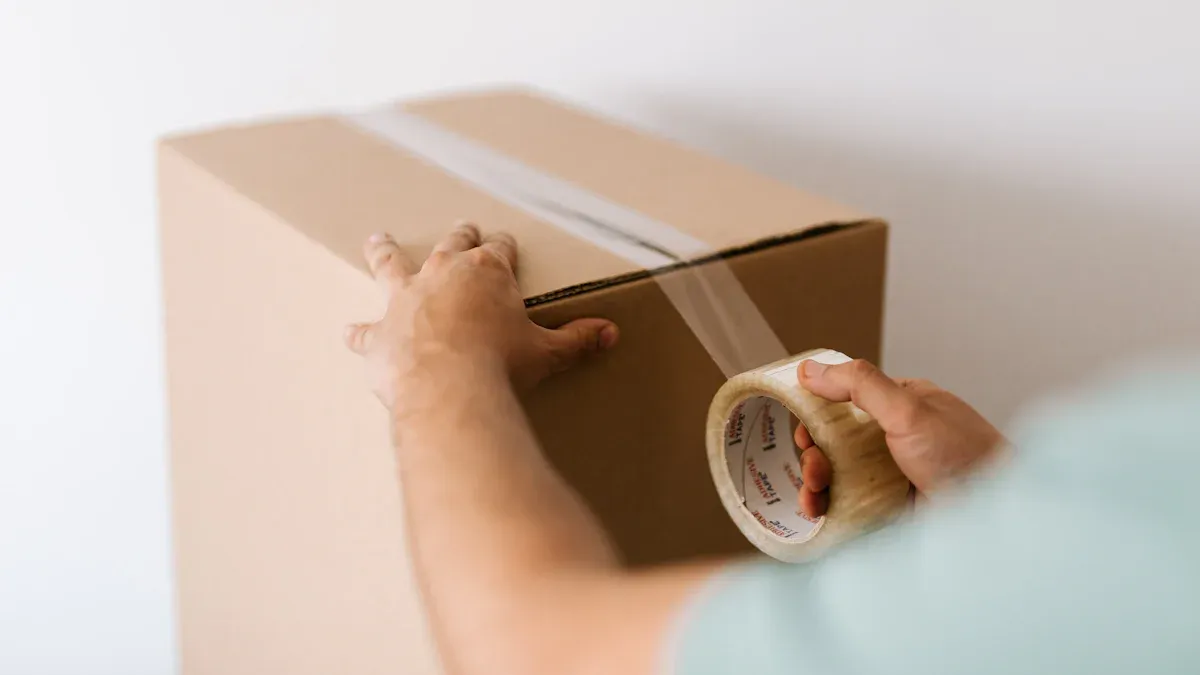
Image Source: pexels
Quick Guide
Choosing the right tape starts with knowing your project’s needs. You want a tape that matches the surface, environment, and how long you need it to last. Here’s a simple guide to help you decide:
Task/Condition | Best Tape Type | Why It Works |
|---|---|---|
Archival or display | Non yellowing tape | Stays clear, resists yellowing |
Heavy-duty repairs | Regular tape | Strong adhesive, grips rough areas |
Outdoor use | UV-resistant tape | Prevents brittleness, discoloration |
Humid or wet areas | Moisture-resistant | Keeps adhesive strong |
High temperatures | Won’t melt or lose grip | |
Cold storage | Cold-resistant tape | Stays sticky in low temps |
Tip: Always clean and dry the surface before applying tape. This helps the adhesive stick better and last longer.
You should overlap tape strips by at least half an inch for strong seals. Use sharp scissors or a utility knife for clean edges. Apply tape with even tension and smooth out wrinkles for best results.
Questions to Ask
Before you pick a tape, ask yourself these questions:
What surface will you stick the tape to? (Metal, plastic, painted, or rough)
Will the tape face heat, cold, moisture, or sunlight?
How long do you need the tape to last?
Is appearance important for your project?
Will the tape need to handle heavy traffic or impact?
Do you need the tape to be acid-free or archival safe?
If you want your project to look good for years, non yellowing tape is a smart choice. For tough jobs or rough surfaces, regular tape works best. Match your tape to the job and environment for the best results.
You want the best tape for your project. Here is a quick look at the main pros and cons:
Tape Type | Pros | Cons |
|---|---|---|
Non yellowing tape | Stays clear, resists UV, lasts long | Costs more, slower bond strength |
Regular tape | Sticks fast, strong grip, easy to use | Can yellow, less UV resistance |
Choose tape that matches your task. For art or storage, Non yellowing tape protects your work. For quick repairs, regular tape works well.
Use this checklist before you decide:
What surface do you need to tape?
How long should it last?
Does appearance matter?
You can pick the right tape with confidence!
FAQ
What makes non yellowing tape different from regular tape?
Non yellowing tape uses special materials that resist sunlight and chemicals. It stays clear for years. Regular tape can turn yellow and lose its stickiness over time.
Can I use regular tape for photos or important papers?
You should avoid regular tape for photos or important papers. It can leave stains and damage them. Non yellowing, acid-free tape protects your items and keeps them looking new.
Does non yellowing tape cost more than regular tape?
Yes, non yellowing tape usually costs more. The higher price comes from its special adhesive and backing. You pay extra for long-lasting clarity and protection.
Will regular tape work outside or in sunlight?
Regular tape may not last outside. Sunlight and heat can make it yellow and lose strength. For outdoor use, pick non yellowing or UV-resistant tape.
How do I know which tape to choose for my project?
Ask yourself what you need: strong hold, clear look, or long life. For crafts or storage, use non yellowing tape. For quick fixes or heavy jobs, regular tape works best.