English
  한국어
한국어  français
  Deutsch
  Español
  italiano
  русский
  čeština
  Polska
  Svenska
  magyar
  Nederland
The difference between masking tape and painters tape
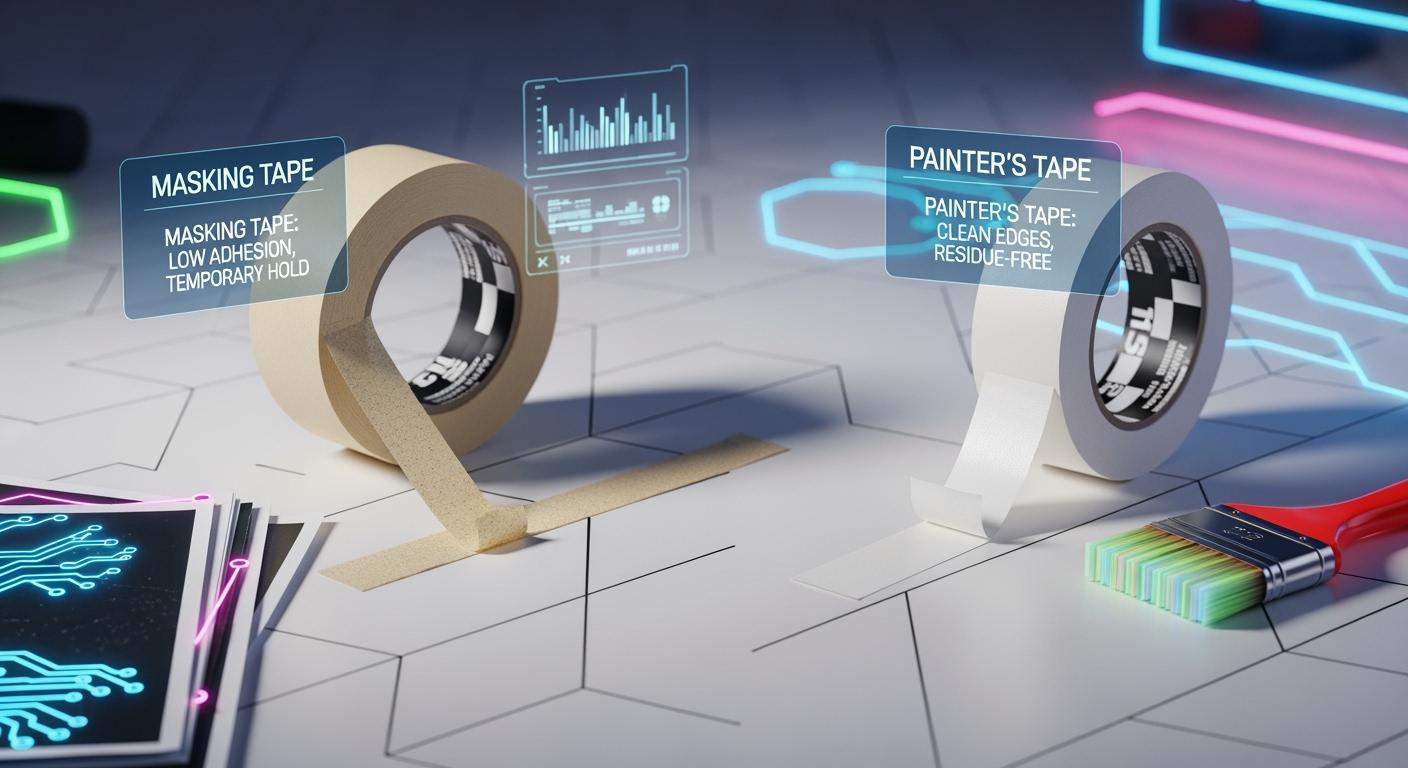
You might ask what makes masking tape and painters tape different. Masking tape has a regular sticky side. Painters tape has a special glue. This glue helps you make neat paint lines. Painters tape is best for painting jobs. It stops paint from leaking under the tape. It also does not leave much sticky stuff behind. If you need tape for hard work or hot places, try special tapes. Hopelight’s heat resistant tape is one example.
Key Takeaways
Masking tape works well for crafts and fast fixes. It costs less but can leave sticky stuff behind. Paint might leak through masking tape. Painter's tape is made for painting jobs. It stops paint from leaking and comes off clean. This helps you get straight lines. Pick the tape that fits your project. Use masking tape for quick jobs. Use painter's tape for careful painting work. Clean the surface before you put on tape. This helps the tape stick better. It also stops paint from leaking. For hot jobs, use heat resistant tape like Hopelight’s. It sticks well and comes off clean.
Masking Tape vs Painters Tape
Material Differences
When you compare masking tape and painters tape, you see they are made differently. Both tapes use crepe paper for the backing. Painter's tape has extra features that make it stronger and more bendable. You can pull painter's tape off without it ripping or breaking. Masking tape is thinner and can tear when you take it off. This makes cleaning up harder.
Here is a table that shows how masking tape and painter's tape are different:
Feature | Masking Tape | Painter's Tape |
|---|---|---|
Adhesive Strength | Strong adhesive, firm hold | Gentle adhesive, safe for surfaces |
Residue & Removal | May leave tape residue or sticky residue | Clean removal, no residue |
Paint Bleed | May allow paint bleeding | Prevents bleed, clean lines and no spills |
Cost | Lower cost, budget-friendly | Higher cost, better performance |
Best Uses | Crafts, labeling, general repairs | Painting, clean lines, delicate surfaces |
Blue painter's tape is good for painting because it gives sharp lines. It stops paint from leaking under the tape. Masking tape is fine for crafts and quick fixes. It does not always keep paint from bleeding.
Adhesive Types
The glue on masking tape and painter's tape works in different ways. Masking tape uses regular glue. It sticks well but can leave sticky stuff behind, especially if left on too long. Painter's tape has special glue for painting. You can leave painter's tape on for up to 21 days. It still comes off easily.
Here is a table that explains how the glue works:
Tape Type | Adhesive Properties | Performance Impact |
|---|---|---|
Masking Tape | General-purpose adhesive, easy to tear, gentle on surfaces, may leave residue over time. | Ideal for temporary applications, quick fixes, and craft projects. |
Painter’s Tape | Specifically engineered for painting, adheres for extended periods without residue. | Provides clean lines, prevents paint bleeding, and maintains integrity during prolonged use. |
Old masking tape can leave sticky spots that are hard to clean. If you use masking tape on new paint, you might see sticky marks. Painter's tape, like blue painter's tape, is made to come off clean. You can use it on many surfaces. It does not leave sticky stuff behind. Painter's tape is better for painting walls, trim, or furniture.
Tip: If you need tape for hot jobs or tough work, try special tapes. Hopelight’s heat resistant tape is good for electronics, cars, and building. It works in very hot places and keeps things safe.
Intended Uses
Masking tape and painter's tape are used for different things. Masking tape is good for crafts, labeling, and quick repairs. You can use it to hold things or mark items. Painter's tape is made for painting. It protects areas you do not want to paint. Painter's tape helps you make neat lines and stops paint from leaking.
Here are some ways to use painter's tape and blue painter's tape:
Protects surfaces when spray painting or powder coating
Makes sharp paint lines on walls, metal, wood, and plastic
Helps with big or detailed painting jobs
Comes off clean for up to 14 days
Stops paint from lifting and leaking for neat lines
Masking tape is good for:
Crafts and school projects
Labeling boxes or containers
Quick repairs at home
Jobs where paint leaking is not a problem
If you want the best painting results, use painter's tape or blue painter's tape. These tapes stop paint from leaking and do not leave sticky stuff. For hard jobs that need heat protection, Hopelight’s heat resistant tape is strong and lasts longer.
Masking Tape Features
Pros of Masking Tape
When you look at the pros and cons of masking tape, you find several reasons why people choose it for everyday tasks. You can use masking tape for many household and industrial projects. Here are some benefits you might notice:
Precision: High-quality masking tape helps you create clean, professional edges. You can use it for crafts, repairs, or marking areas.
Clean Removal: You can peel masking tape off most surfaces without damaging them. It usually does not leave sticky residue if you remove it quickly.
Efficiency: Masking tape sticks well and helps prevent paint bleed in simple projects. You save time because you do not need to fix mistakes as often.
Cost-Effectiveness: Masking tape costs less than painter's tape. Many people pick it for small jobs or when they want to save money.
You can use masking tape for labeling, bundling, and quick fixes. It works well for short-term tasks and is easy to tear by hand. If you need a budget-friendly option, masking tape is a smart choice.
Tip: Always test masking tape on a small area before using it on delicate surfaces. This helps you avoid damage or sticky residue.
Cons of Masking Tape
Masking tape has some drawbacks you should know before starting your project. The following tables show common issues users report:
Disadvantage | Description |
|---|---|
Paint bleed | Masking tape can let paint seep under the edges. |
Sticky residue | It may leave sticky marks that are hard to clean. |
Surface damage | Masking tape can damage delicate finishes or fresh paint. |
Paint peeling | It can pull up paint when you remove it. |
Buckling under paint | Water-based paint can cause masking tape to buckle. |
Disadvantage | Description |
|---|---|
Even high-quality masking tape can allow paint to seep through. | |
Unsuitable for long use | Masking tape does not work well for projects over 48 hours. |
You might notice more paint bleed and surface damage with masking tape than with painter's tape. If you want sharp lines and less mess, painter's tape is a better choice for painting jobs.
Painters Tape Features
Pros of Painters Tape
You want your painting project to look sharp and professional. Painters tape helps you get crisp paint lines every time. The special adhesive sticks well to surfaces like glass, metal, and painted walls. You can use painter's tape for detailed work, such as trim or geometric patterns. It blocks overspray and stops paint from bleeding under the tape. You spend less time fixing mistakes because the tape keeps lines neat.
Here is a table that shows why painters tape is a top choice for painting:
Benefit | Description |
|---|---|
Reliable adhesion | Sticks to many surfaces, giving you clean lines. |
Blocks overspray | Prevents paint from leaking under the tape, so edges stay sharp. |
Easy removal | Peels off without damaging paint, keeping your finish smooth. |
Efficiency | Cuts down on touch-ups, so you finish faster. |
Versatility | Works for trim, patterns, and curves, making your project look professional. |
You can use painter's tape even if you are new to painting. It conforms to curves and uneven surfaces. The tape is essential for getting professional results in many painting projects. You also get clean removal, which means the tape comes off without leaving sticky residue or damaging the surface.
Tip: Choose low adhesion painter's tape for delicate surfaces like wallpaper or freshly painted walls. This helps prevent damage and ensures clean removal.
Cons of Painters Tape
Painter's tape works well, but you need to use it correctly. If you pick the wrong tape for your surface, you might see paint peeling or bleeding. Skipping surface cleaning can make the tape stick poorly, causing paint to seep underneath. You must press the tape down firmly to stop paint from bleeding. Removing the tape at the wrong time can smudge the paint or peel off dried paint.
Here are some common drawbacks you should know:
Using painter's tape with too much adhesive can damage delicate surfaces.
Not preparing the surface can lead to poor adhesion and paint seepage.
Failing to press the tape down firmly can ruin your paint lines.
Removing the tape too early or too late can cause smudges or peel paint.
Some painter's tape options have low adhesion for delicate surfaces. Brands like FrogTape and Scotch make tapes that help prevent damage and ensure clean removal. You should always check the label and choose the right tape for your project.
Laboratory tests show that painter's tape offers clean removal for up to 14 days on many surfaces, including walls and glass. This makes painter's tape a reliable choice for both quick and long painting jobs.
Choosing the Right Tape
When to Use Masking Tape
Pick masking tape for quick crafts or labeling. It works well for short tasks. Masking tape sticks to paper, cardboard, and plastic. Use it to mark boxes or bundle things. It is cheap and good for temporary fixes at home. Masking tape is not great for painting. Paint can bleed and leave sticky marks. This happens more on delicate surfaces or when it is humid. Cheap masking tape may not work in bad weather. It can leave marks that are hard to clean. Masking tape works best in normal temperatures. Keep surfaces clean and dry for best results.
When to Use Painters Tape
Painters tape is best for painting jobs. It helps you get sharp lines and a neat look. Use it to protect trim, windows, or new paint. Painters tape has gentle glue. It does not damage surfaces or leave sticky stuff. You get clean removal and crisp edges. This saves time on fixing mistakes. For rough surfaces like brick, use orange tape. Blue or beige tape is good for outdoor work. Painters tape is also great for making patterns or shapes.
Note: For hot jobs or tough places, use Hopelight’s heat resistant tape. It sticks well and comes off clean. You can use it on metal, glass, or rubber. It works even with many drying cycles.
Application and Removal Tips
Follow these tips for the best results:
Clean the surface first. Remove dust and let it dry.
Press tape down hard with a putty knife or card.
Seal the tape edge with a thin layer of base paint.
Pull tape off at a 45-degree angle while paint is still sticky.
Use heat resistant tape for hot jobs to get clean removal.
Here is a table to help you pick the right tape:
Factor | Masking Tape | Painters Tape | Heat Resistant Tape (Hopelight) |
|---|---|---|---|
Ideal Temperatures | 50˚F - 100˚F | 50˚F - 100˚F | Up to 90°C |
Surface Type | Paper, cardboard | Painted walls, trim | Metal, glass, rubber |
Adhesive Strength | Strong, may leave residue | Strong, clean removal | |
Best Use | Crafts, labeling | Painting, precision | Industrial, high heat |
You can find the main differences in the table below. Painter's tape makes sharp lines and comes off clean. It is the best tape for painting. Masking tape is good for crafts and quick repairs. Think about your surface and project before you choose tape. Also, consider where you will use it. For hot jobs, Hopelight’s heat resistant tape works well. It is strong and comes off clean.
Feature | Painter's Tape | Masking Tape |
|---|---|---|
Purpose | Specifically designed for painting applications | More versatile, used for various tasks |
Adhesive | Gentle adhesive for clean removal | Stronger adhesive, may leave residue |
Paint Bleeding | Prevents paint bleeding, creates sharp lines | Paint may bleed through edges |
Residue on Removal | Leaves no residue | Leaves behind residue |
Duration on Surface | Can stay for up to 14 days without issues | Best for short-term use, may cause issues if left too long |
Cost | Generally more expensive | More cost-effective |
FrogTape Advanced painter's tape is known for clean lines. It also comes off easily.
Pick tape that fits your project. This is important for heat or outdoor jobs.
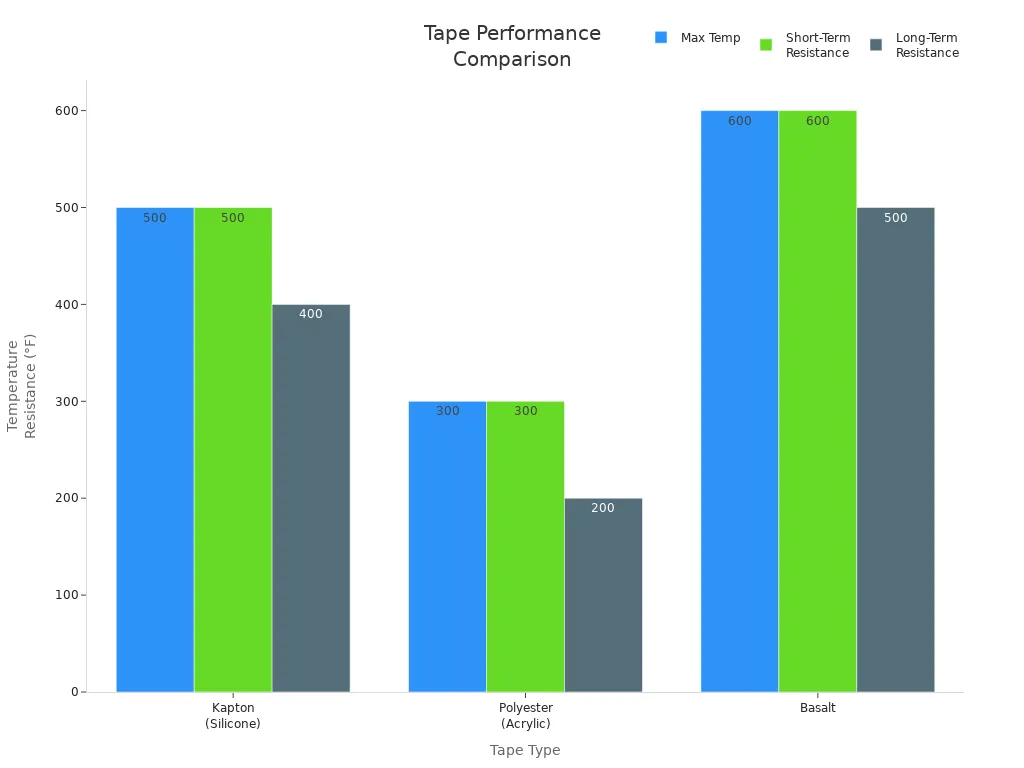
Tip: For hard or hot jobs, pick tape with the right temperature rating. Make sure it has strong adhesive, like Hopelight’s heat resistant tape.
FAQ
What is the main difference between masking tape and painter's tape?
Painter's tape uses a special adhesive. It gives you clean paint lines and removes easily. Masking tape has a stronger adhesive. It may leave sticky residue and allow paint to bleed.
Can I use masking tape instead of painter's tape for painting?
You can use masking tape, but you may not get sharp lines. Paint can seep under the edges. You might also see sticky marks after removal. Painter's tape works better for painting projects.
How do I remove tape without damaging the surface?
Pull the tape back slowly at a 45-degree angle. Remove it while the paint feels slightly wet. This helps prevent peeling and keeps your lines neat.
When should I use heat resistant tape like Hopelight’s?
Use heat resistant tape for jobs with high temperatures. It works well for electronics, automotive, or industrial tasks. You get strong adhesion and clean removal, even in extreme heat.